
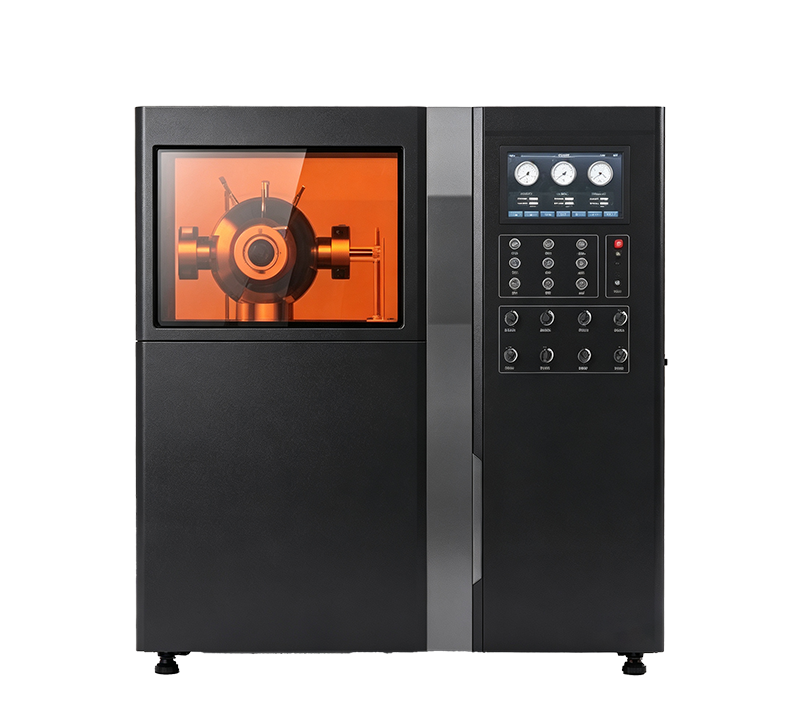

ARC—D9
High-Sensitivity Thermal Hazard Analysis Detect early self-heating and characterize thermal stability under adiabatic conditions. It is designed for battery materials, small-capacity cells and reactive chemical samples

Product 01
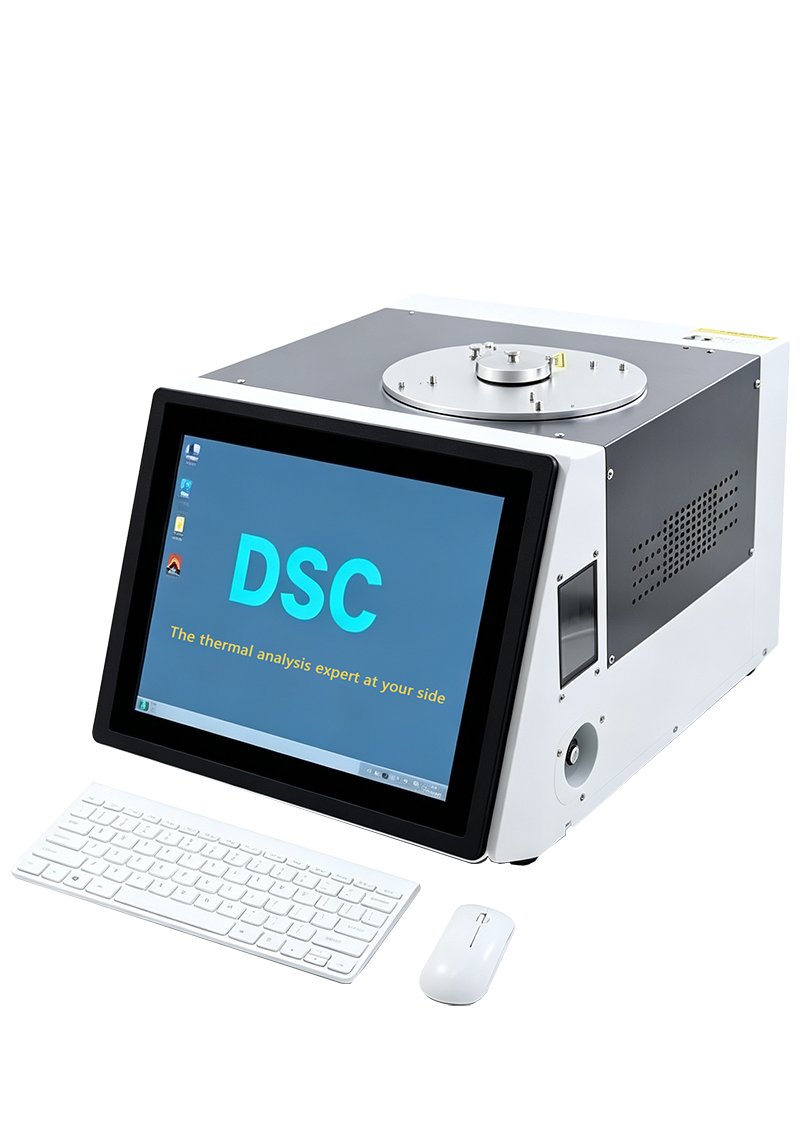
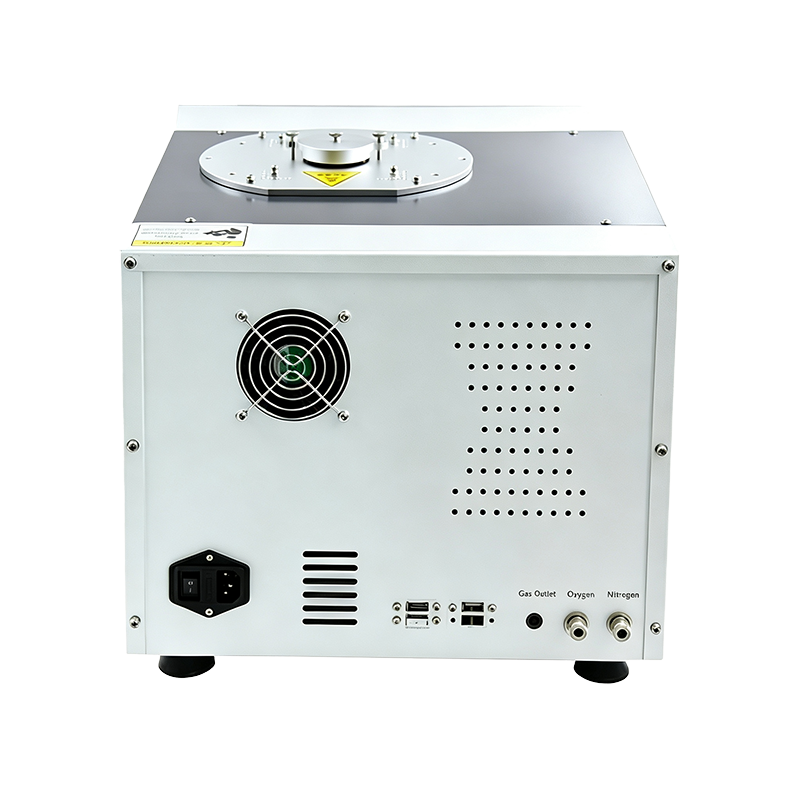
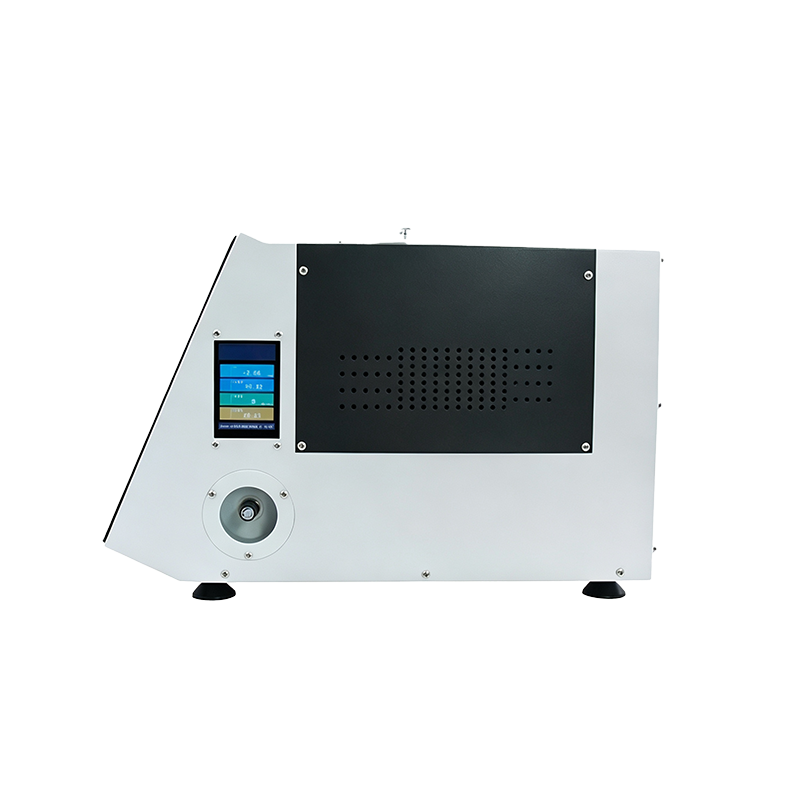
Differential Scanning Calorimeter
Model LSDYHYD-Q
Product IntroductionDSC is an important testing method for researching the thermal behavior of batteries and materials. It can be used to analyze electrolyte stability, electrode material phase transitions, SEI film formation, and exothermic reactions, providing thermodynamic basis for material screening, thermal stability research, and next-generation battery system development.
Working PrincipleThrough programmed linear temperature ramping, the instrument measures the heat flow difference between the sample and reference in real time as a function of temperature or time, thereby characterizing endothermic and exothermic thermal effects of the material.
Product FeaturesIndustrial-grade 15-inch touchscreen, completely free from computer dependency.Electronic flow meter for more precise flow recording.Touch interface independent from the display, offering greater flexibility.Unique furnace sealing design that provides excellent experimental conditions.Automatic switching of dual-atmosphere flow rates with fast switching speed and short stabilization time; additionally includes one protective gas input.Simple and easy-to-operate software.
Product 02
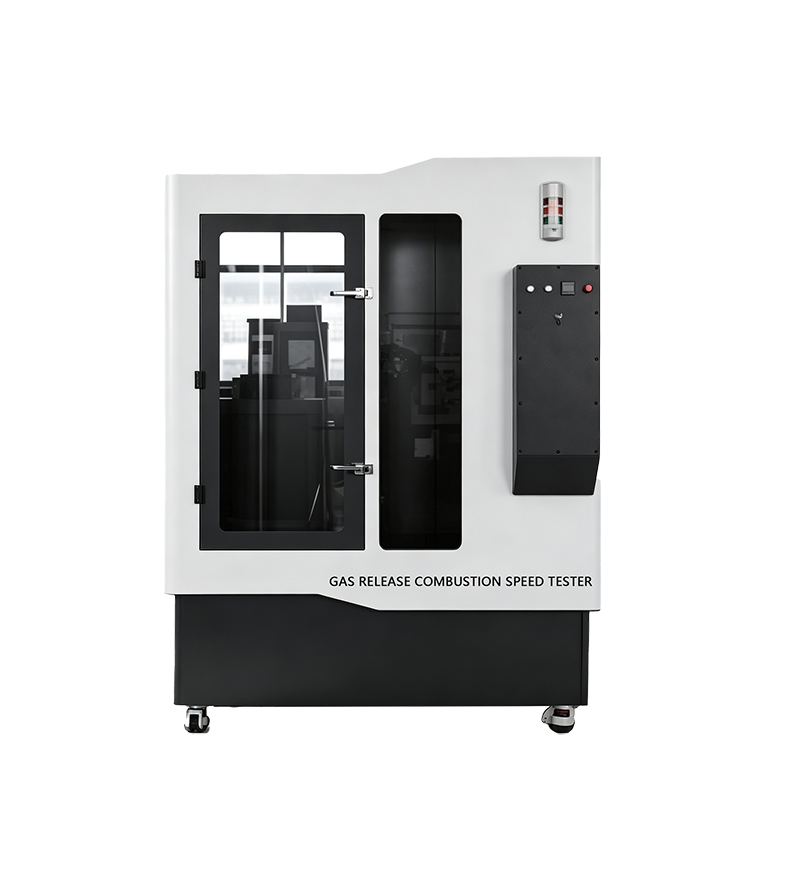
Gas Release Combustion Speed Tester
Product IntroductionUsed to measure the laminar burning velocity and flame propagation characteristics of combustible gas-air mixtures, transforming gas combustion behavior into quantifiable test data.
Working PrincipleUnder controlled conditions, combustible gas is mixed with air and combusted within a high-precision constant-volume combustion chamber. Through optical diagnostic techniques (such as schlieren imaging) and pressure sensors, parameters including flame speed, heat release rate, and dynamic pressure changes are obtained.
FTIR Spectroscopy
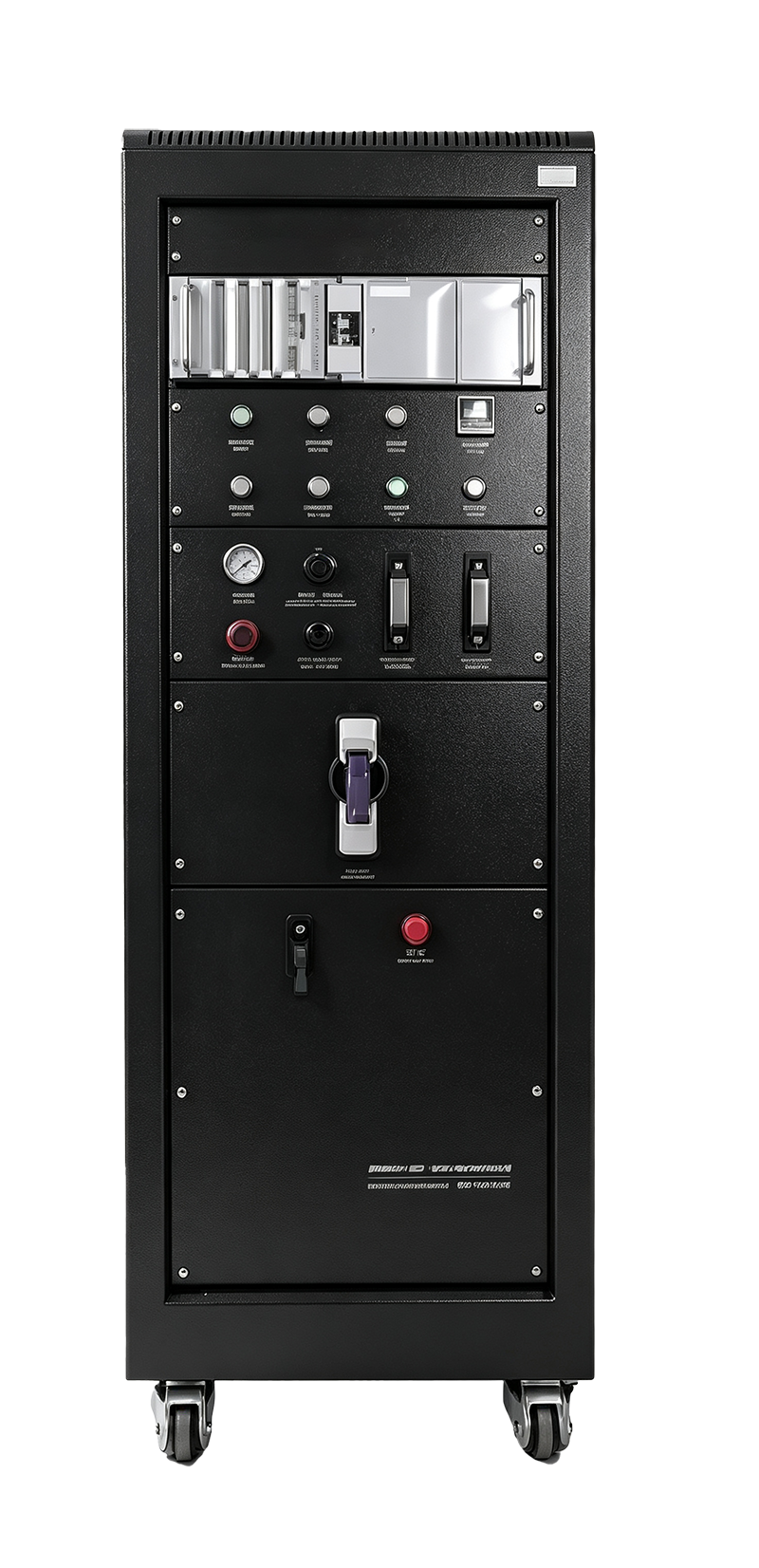 Product 03
FTIR Gas Comprehensive Analysis System
Product IntroductionIn battery thermal runaway and industrial safety research, gas composition is an important basis for determining hazard potential. The FTIR Gas Comprehensive Analysis System is used for real-time, multi-component analysis of complex gas mixtures, identifying gas composition and concentration to provide data support for hazardous gas identification, safety assessment, and process monitoring.
Working PrincipleUtilizing the characteristic absorption signals of different gas molecules in the infrared spectrum for identification, the system achieves qualitative and quantitative analysis of mixed gases by analyzing spectral features.
System IntroductionThis coupled testing system enables real-time continuous analysis of gas concentrations during battery failure processes. It not only simplifies testing procedures and reduces testing time, but also allows real-time testing of up to 50 gas components. First, a battery thermal runaway test is conducted in a gas generation tank, triggering thermal runaway through different methods such as heating, needling, or charge/discharge cycling. Data such as pressure, temperature, and gas volume during battery thermal runaway are collected, and the concentration and composition of gases released by the battery are then analyzed through the FTIR online gas analyzer.
Product 04
Gas Explosion Limit & Maximum Explosion Pressure Tester
Product IntroductionUsed to measure the explosion limits (LEL/UEL) and maximum explosion pressure (Pmax) of combustible gas-air mixtures, obtaining key safety parameters related to gas flammability and explosion dynamics.
Can be used for lithium battery thermal runaway gas hazard assessment, chemical process design, and industrial safety research, providing critical test data for ventilation systems, explosion-proof solutions, and safety risk assessments.
Working PrincipleCombustible gas and air are mixed under specified conditions and uniformly stirred, then subjected to controlled ignition within a sealed combustion chamber. Explosion pressure and explosion limit parameters are obtained through pressure sensors and gas analysis.


